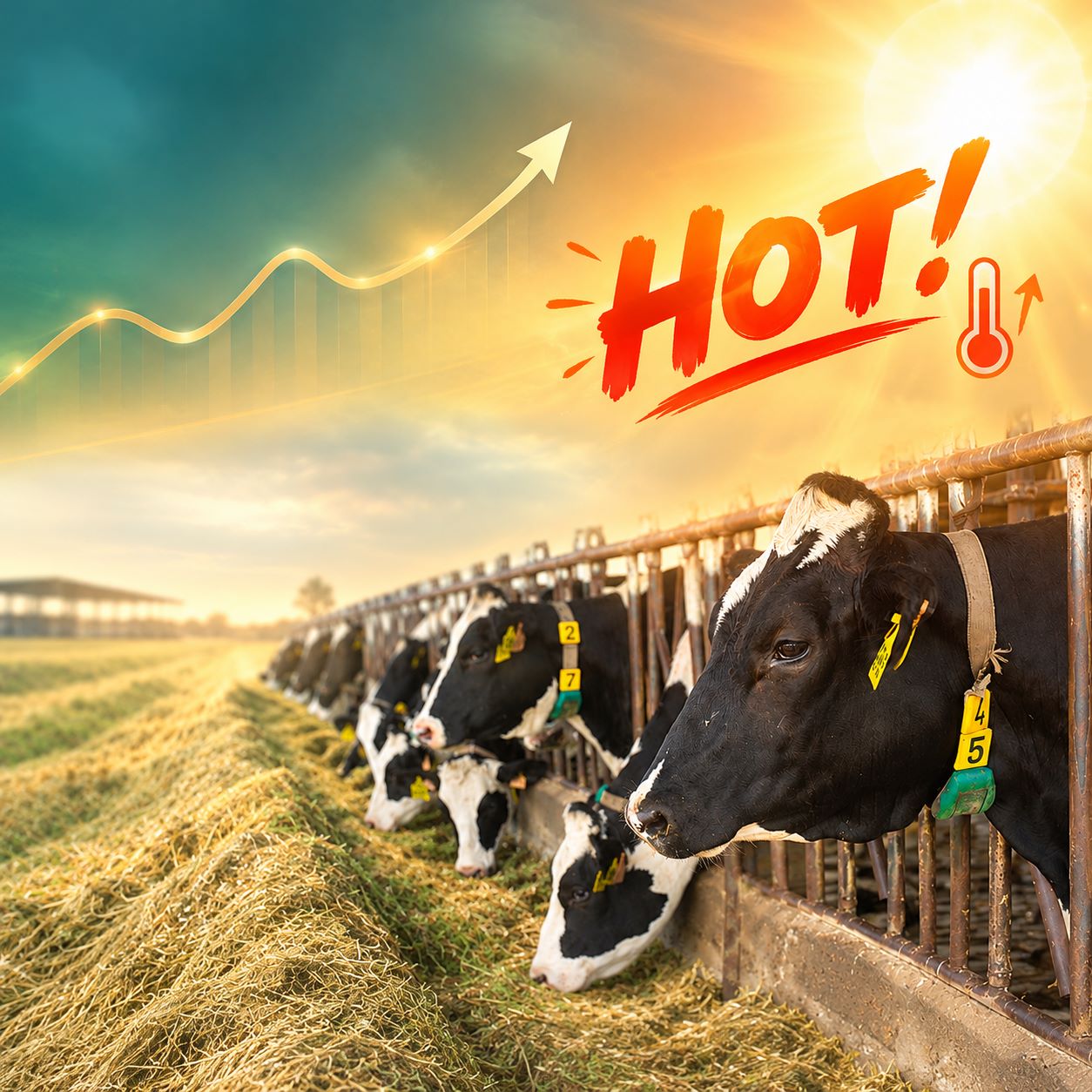
As temperatures continue to challenge dairy farming across the Middle East, heat stress remains one of the most important factors affecting milk production, reproduction, herd health and overall farm efficiency.
But managing heat stress is no longer just about keeping cows cool. It requires a more integrated approach, combining genetics, nutrition, farm technology and herd management.
Interestingly, recent research is also bringing a new dimension to this discussion: Can dairy cows be bred for both better heat tolerance and lower methane emissions?
1. Genetics: Breeding for productivity and heat tolerance
A recent Canadian study published in the Journal of Dairy Science examined the genetic relationship between methane production, estimated through mid-infrared milk analysis, and heat tolerance in Canadian Holstein cows.
The findings suggest that selecting for lower methane production does not significantly compromise heat tolerance for milk yield or milk protein production. It may even offer a small positive association with the ability to maintain milk fat under heat stress.
The study also reinforces an important breeding consideration: cows with higher production potential under comfortable conditions may experience greater production declines when temperatures rise.
For dairy farms in hot climates, this highlights the importance of considering heat tolerance alongside milk yield, fertility, health and feed efficiency in breeding programmes.
2. Nutrition: Supporting cows through heat stress
Heat stress often reduces dry matter intake, disrupts rumen function and increases the risk of metabolic imbalance.
Nutritional strategies therefore play an important role in helping cows maintain performance during hot periods. Depending on the herd's conditions and ration formulation, these may include:
· Feed additives designed to support rumen function and digestive stability.
· Yeast, probiotics and other rumen-supporting solutions.
· Electrolytes and mineral supplementation to help address increased nutrient losses.
· Nutritional strategies to support intake, energy balance and production during heat stress.
The objective is not simply to increase feed intake, but to help maintain rumen health, nutrient utilisation and overall cow performance under heat stress.
3. Farm Technology: Creating a more effective cooling environment
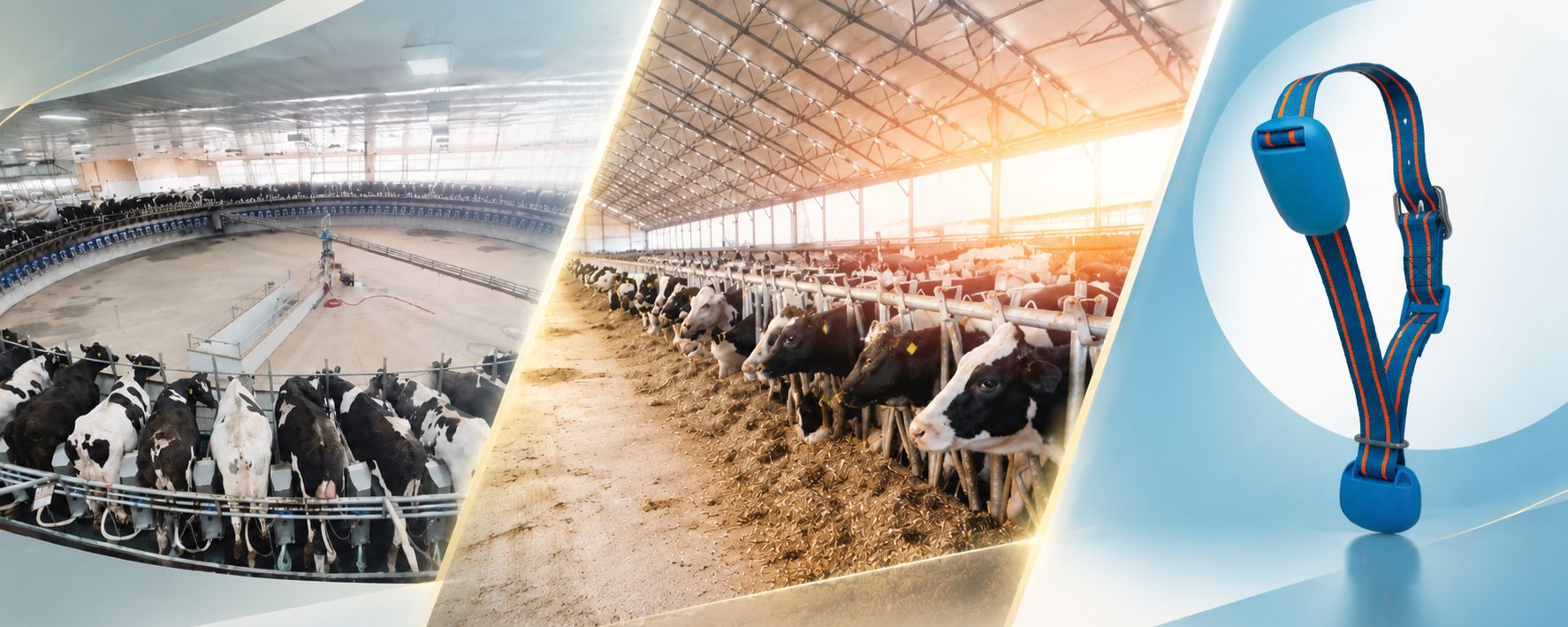
Effective cooling infrastructure is particularly important for large-scale dairy operations in hot regions.
Beyond conventional ventilation, farms are increasingly looking at integrated cooling solutions, including:
· High-efficiency fans and ventilation systems to improve air movement.
· Sprinkler and soaker systems combined with ventilation.
· Automated cooling systems that respond to temperature and humidity conditions.
· Barn design, shade and environmental control solutions to reduce heat exposure.
The key is to create a cooling strategy that works under local climate conditions while balancing cow comfort, water consumption and energy efficiency.
4. Herd Management: Turning heat-stress monitoring into action
Even with good genetics, nutrition and cooling infrastructure, daily management remains essential.
More farms are focusing on data-driven herd management to identify heat stress early and respond before production losses become significant.
Important considerations include:
· Monitoring Temperature-Humidity Index (THI) and identifying heat-stress risk periods.
· Tracking milk yield, feed intake, rumination and activity changes.
· Adjusting feeding schedules to encourage intake during cooler hours.
· Reviewing reproductive performance and heat detection during hot seasons.
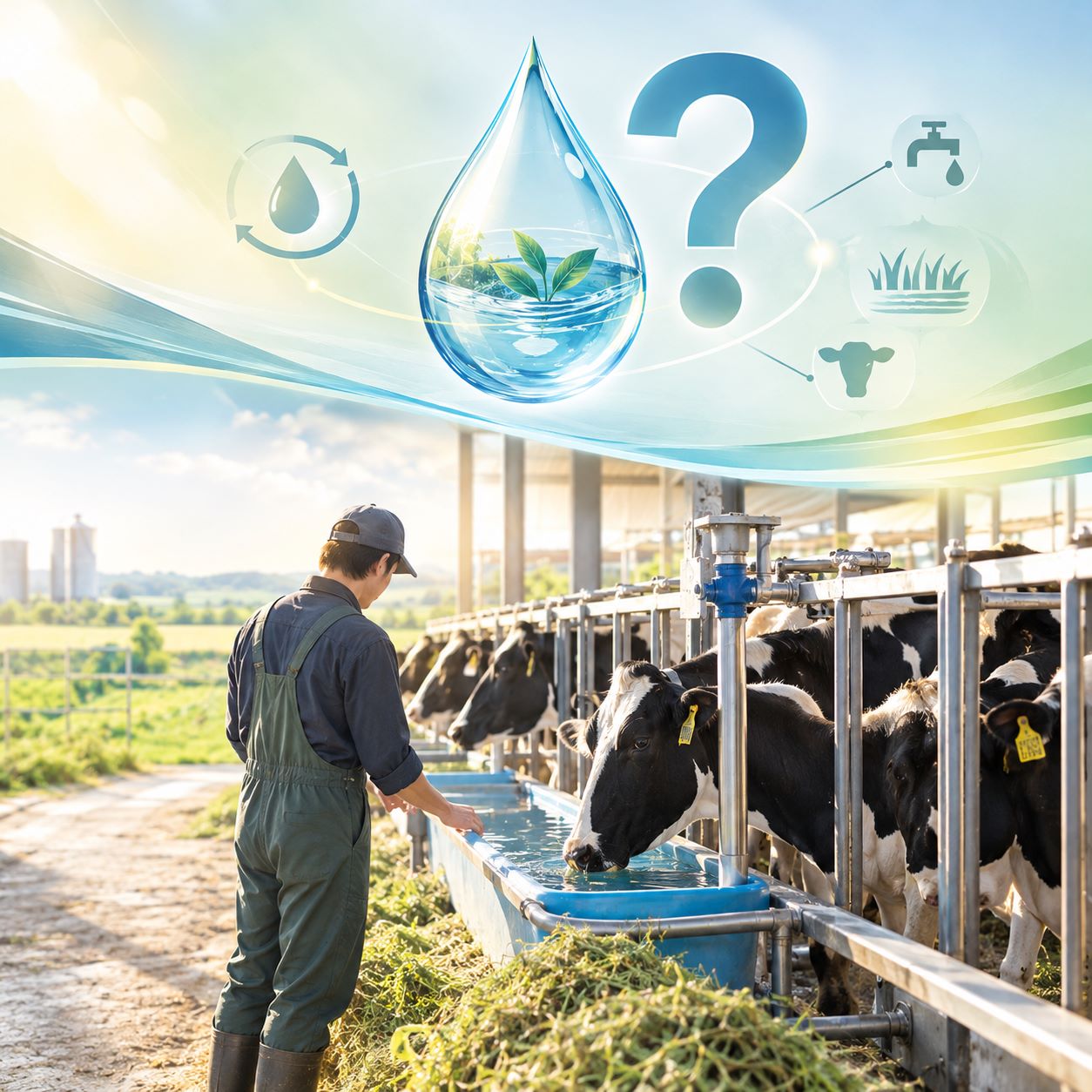
· Monitoring water availability, cow behaviour and recovery after heat exposure.
Combining environmental monitoring with herd-level data can help farm managers make more timely and targeted decisions.
Looking Ahead: A More Integrated Approach to Heat Resilience
For dairy farms across the Middle East, improving heat resilience is not the responsibility of one technology or management practice alone.
The long-term challenge is to maintain productivity, reproductive performance and animal welfare while improving resource efficiency under increasingly demanding climate conditions.
Perhaps the most important question for dairy producers is:
Are we managing heat stress as a seasonal problem, or building it into our long-term farm strategy?